


7 Best Soul and Funk Bands That Define the Groove
Last Updated: November 22, 2026
Quick Summary
The best soul and funk bands are Earth, Wind & Fire, Tower of Power, and Sly and the Family Stone, which set the standard for horn sections, rhythm sections, and front people. The best funk bands of the 70s include Kool & the Gang, War, and Parliament-Funkadelic.
The best soul and funk bands share a locked-in rhythm section, a unified horn section, deep catalog material, and a live show that fills the floor.
The 70s is the genre's high-water mark, with horn-driven, psychedelic, Latin-tinged, dance-floor, and jazz-funk styles all peaking at once.
Start with albums rather than greatest-hits compilations to hear how these bands built a groove across a full record.
Modern acts like Vulfpeck, Lettuce, and Snarky Puppy carry the horn-driven sound forward for younger crowds.
When booking, confirm repertoire fit, horn section size, live recordings, logistics, and the actual lineup before you sign.
Ready to book a horn-driven funk band?
We perform 60s, 70s, and 80s soul and funk hits with a full horn section for events of every size.
Table of Contents
What Makes a Soul and Funk Band One of the Best
The best soul and funk bands share four traits: a rhythm section that locks into a pocket and stays there, a horn section that punches as one voice, material drawn from the deep soul and funk catalog, and a live show that gets people out of their seats. Those four things are a fair test for judging any band before anything else. A great funk band is a working unit, not a collection of soloists taking turns.
Soul-funk is the overlap where gospel-trained vocals meet syncopated bass and tight horns. That overlap produced most of the music people mean when they search for the best soul and funk bands.
A solo singer with a pickup rhythm section is a different animal from a horn-driven group that has played together for years, so it helps to know which one you are booking.
Below, we break down the groups that define the groove, the best soul and funk bands of the 70s, the modern acts carrying the sound forward, and how to choose one for your event.
The Best Soul and Funk Bands of All Time
The best soul and funk bands of all time are Earth, Wind & Fire, Tower of Power, and Sly and the Family Stone. Each one changed how a horn section, a rhythm section, and a front person work together. These three set the standard that every working funk band since has been measured against.

Earth, Wind & Fire
Earth, Wind & Fire turned funk into a full spectacle: kalimba, falsetto harmonies, horn stabs, and choreography that made a concert feel like a celebration. The band's catalog moves between hard funk, soul balladry, and African-influenced rhythm without losing the groove. For event buyers, EW&F is the safest crowd-pleaser in the genre. Almost everyone knows the choruses.
Tower of Power
If you want to understand what a horn section is for, listen to Tower of Power. The Oakland group built its reputation on precision: five horns playing as one, a rhythm section that never rushes, and vocals with real grit. Bands that hire a horn section today are often chasing the Tower of Power model.
Sly and the Family Stone
Sly and the Family Stone proved funk could be both danceable and radical. The group's integrated lineup and genre-blurring records pushed soul, rock, and funk into the same room. The bass lines are the lesson here, simple, deep, and impossible to sit still through.
The Best Soul and Funk Bands of the 70s
The best soul and funk bands of the 70s expanded the genre in every direction. Funk became a full-blown movement, with horn-heavy groups, synth pioneers, and regional scenes all peaking at once. The decade is the genre's high-water mark, and the groups below are the ones a working band still studies.
A few groups defined that run. Kool & the Gang moved from jazz-funk instrumentals to chart-dominating soul, with a horn section that answered the vocal instead of competing with it. The Ohio Players paired a heavy groove with a theatrical image and a rhythm section built on a fat, unhurried pocket. War merged funk with Latin and R&B rhythm, stretching a groove across long instrumental passages. Average White Band proved a Scottish group could out-funk anyone, largely on the strength of a drummer and bassist who played as one unit. Parliament-Funkadelic took the music into outer space with concept albums, a rotating cast of players, and a live show that doubled as theater.
What ties them together is the rhythm section. In the 70s, the bass and drums carried the melody as much as the vocals did, and the horns answered the singer instead of just filling space. That arrangement style is still the blueprint for a working soul-funk band.
Here is how the era breaks down by subgenre, so you can hear the differences rather than treat 70s funk as one sound:
Horn-driven funk-soul: Tower of Power and Kool & the Gang. Five or more horns playing written lines as a single voice, with a vocalist riding on top.
Psychedelic and concept funk: Parliament-Funkadelic. Extended arrangements, synthesizers, and album-length themes rather than standalone singles.
Latin-tinged funk: War. Congas, timbales, and a groove that swings between funk and Latin rhythm.
Tight, dance-floor funk: Average White Band and The Ohio Players. Short, punchy arrangements built for clubs and radio.
Jazz-funk: Kool & the Gang's early records and Herbie Hancock's Head Hunters band. Longer instrumental passages and improvisation inside a funk framework.
A common mistake is treating the 70s as a monolith. The groups above were solving different problems: some were chasing the dance floor, some were chasing the concert hall, and some were chasing the album as an art form. Knowing which problem a band solves tells you more about whether it fits your event than any greatest-hits list.
Watch out: many 70s groups now tour with few or no original members, so if you are booking a legacy act, confirm the lineup before you assume you are hearing the band you remember.
A 70s Funk Bands List for Your Playlist
Here is a straight 70s funk bands list to start with. Each entry gives you the group and the album to hear first, so you can build a playlist without digging through discographies.
Band | Start With This Album | Why It Belongs |
Kool & the Gang | Wild and Peaceful | Jazz-funk roots and massive grooves |
The Ohio Players | Fire | Heavy rhythm and horn stabs |
War | The World Is a Ghetto | Funk fused with Latin and soul |
Average White Band | AWB | Tight, danceable Scottish funk |
Parliament | Mothership Connection | Concept funk at its peak |
Earth, Wind & Fire | That's the Way of the World | Polished soul-funk with horns |
A common mistake is starting with greatest-hits compilations. They are fine for a party, but the albums show how these bands built a groove across a full record. Pick one band from the list, play the album front to back, and you will hear the arrangement choices that make the horns work.
The Best Modern Funk Bands Carrying the Sound Forward
The best modern funk bands keep the horn-driven sound alive while pushing it into new territory. Contemporary groups mix funk with hip-hop, jazz, and electronic production, and they tour hard. The scene is smaller than it was in the 70s, but it is very much alive, and the bands below are the ones most often cited when working musicians talk about who is carrying the sound forward.
Vulfpeck built a following on stripped-down, bass-forward grooves. Lettuce, a collective with deep jazz roots, plays instrumental funk with a live show built for dancing and long improvisational passages. The Meters' legacy lives on in the New Orleans scene, where brass bands keep the second-line groove going. Snarky Puppy blends funk with jazz composition and has drawn a young audience back to instrumental music. Other names worth knowing include The Budos Band, whose horn-heavy instrumentals lean toward Afrobeat and psychedelic soul, and Monophonics, which pairs a vintage soul sound with modern production.
For event buyers, modern funk bands are worth a look if your crowd skews younger. If you want the classic horn sound with familiar songs, a tribute-style band is usually the better fit.
Here is a starter track and a recommended album for each act, so you can judge the sound before you book or build a playlist:
Vulfpeck: start with "Dean Town" from Thrill of the Arts for the bass-forward groove, then try The Beautiful Game for a fuller band sound.
Lettuce: start with "Fly" from Fly, then move to Crush for a tighter, more produced studio sound.
Snarky Puppy: start with "Lingus" from We Like It Here for the funk-jazz crossover, then try Culcha Vulcha for a more song-oriented set.
The Budos Band: start with "Up From the South" from The Budos Band for the horn-heavy instrumental sound.
Monophonics: start with "Last One Standing" from It's Only Us for the vintage-soul side of modern funk.
A practical way to choose between these bands is to match them to your crowd's taste. If your room wants to dance to instrumental grooves, Lettuce and The Budos Band are the closest fit. If your crowd knows the songs and sings along, a classic-soul tribute band will land harder than any modern act.
Watch out: modern funk bands often tour as collectives with rotating members, so confirm the actual lineup and instrumentation for your date rather than assuming the studio lineup will appear.
Essential Albums and Starter Tracks by Era
A listening guide is the fastest way to learn the genre. Start with one album per era, then follow the tracks that grab you. Here is the short path we recommend.
Late 60s: Sly and the Family Stone, Stand! Start with "Everyday People" and "I Want to Take You Higher."
Early 70s: Tower of Power, East Bay Grease. Start with "Sparkling in the Sand."
Mid 70s: Earth, Wind & Fire, That's the Way of the World. Start with "Shining Star."
Late 70s: Parliament, Mothership Connection. Start with "Give Up the Funk."
Modern: Vulfpeck, Thrill of the Arts. Start with "Dean Town."
The thing nobody tells you about this genre is how much the bass line carries the song. Listen to the bass first, then the horns, then the vocal. That order teaches you more about funk arrangement than any book.
How to Choose Soul and Funk Bands for a Party or Event
Choosing a soul and funk band for an event comes down to a few checks: repertoire fit, horn section size, live recordings, logistics, and communication.
Start with repertoire. Ask for a songlist and confirm it matches your crowd's age range and taste. A band built on 60s and 70s hits will land with a mixed-age party; a modern funk group suits a younger room. You can also check upcoming show dates to see a band live before deciding.
Then check the horn section. A full horn section changes the sound and the stage footprint. For a small private party, ask whether the full lineup fits your space or whether a trimmed version is available. For a deeper look at contracts, load-in, and production, read our guide on hiring bands for corporate events.
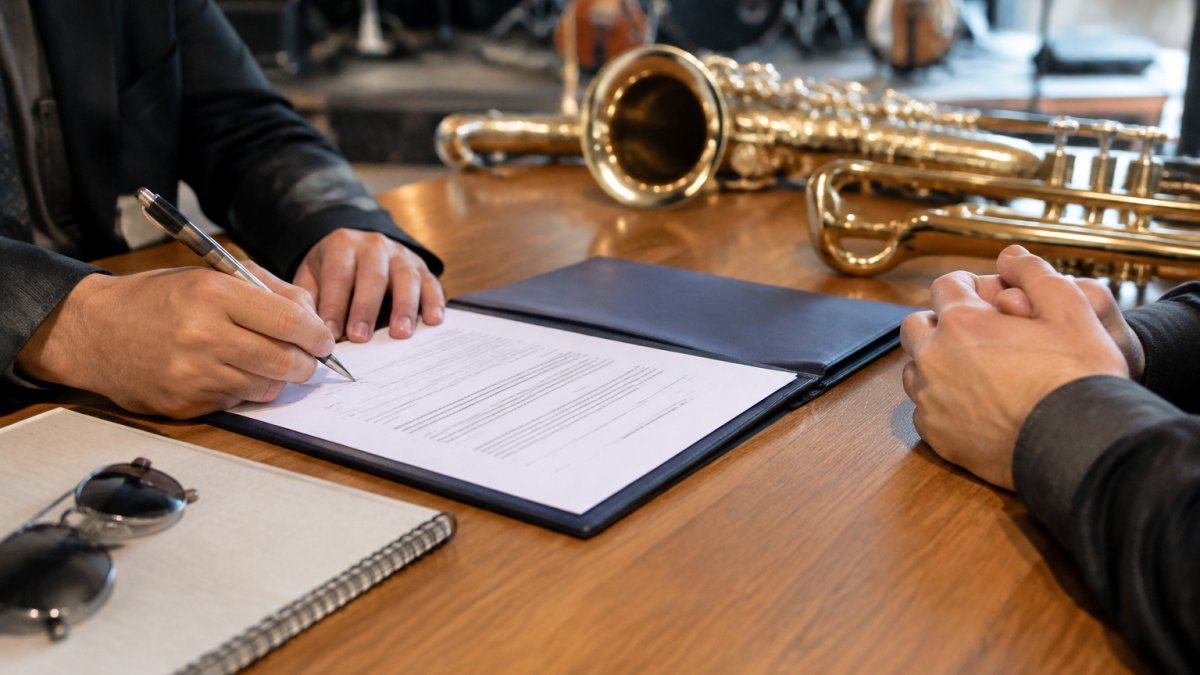
Watch out: confirm what the band brings and what the venue must supply before you sign.
Book a Horn-Driven Soul and Funk Band for Your Stage
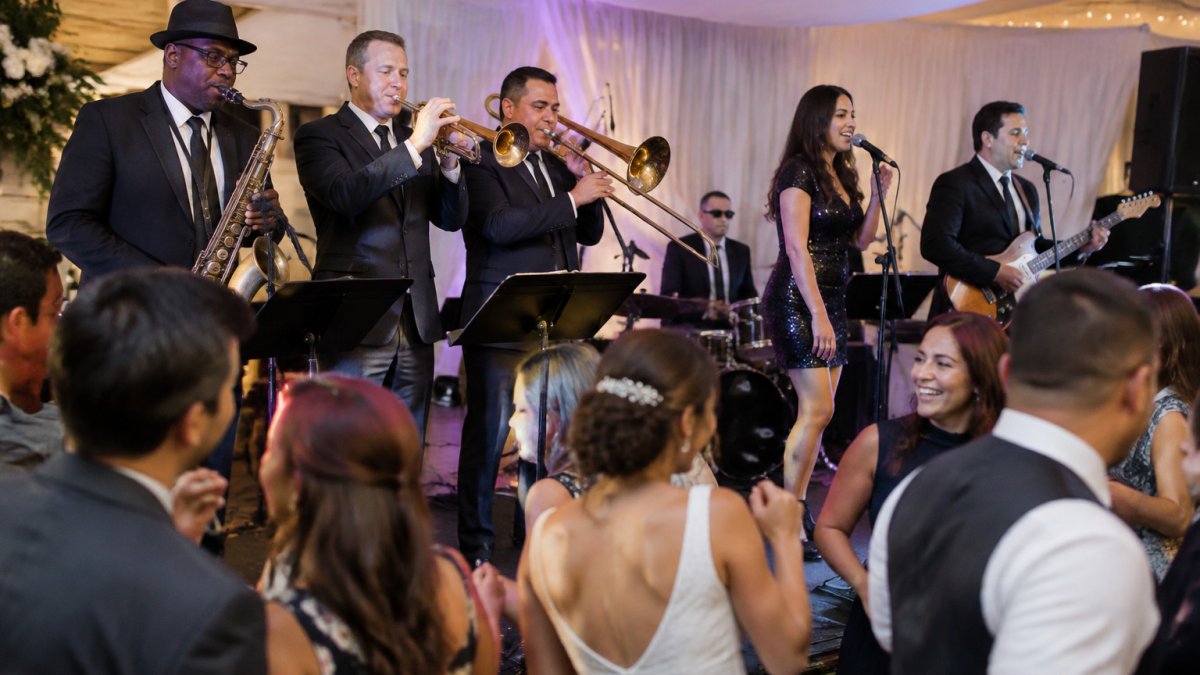
Booking the right band is a production decision as much as a musical one. We perform hits from the 60s, 70s, and 80s with a full horn section, played by musicians with national performance resumes.
Want to hear the repertoire first? Review our songlist to confirm the set fits your crowd. Watch our videos to judge the groove and stage presence for yourself. Then reach out through our contact page to start an inquiry. We will walk you through the details and build a set that gets your room dancing.
The difference between a good event and a great one is often the band. If you want a horn-driven show that pulls people onto the dance floor, Vegas Groove & The Silver State Horns brings a full horn section, a catalog of 60s, 70s, and 80s hits, and a professional crew that handles its own production. Get started with Vegas Groove & The Silver State Horns and give your stage a night the crowd will remember.
Frequently Asked Questions
Who is the greatest funk band of all time?
Most critics and fans point to Earth, Wind & Fire and Parliament-Funkadelic as the two defining funk bands. Earth, Wind & Fire blended horns, falsetto vocals, and tight arrangements into crossover hits, while Parliament-Funkadelic pushed the genre into stranger, bass-heavy territory. Tower of Power earns a place in any serious conversation for its horn section alone. The right answer depends on whether you value chart success, live energy, or pure groove.
What is the difference between soul and funk music?
Soul grew out of gospel and R&B in the 1960s, built on emotional vocals and steady backbeats. Funk arrived later in the decade and put rhythm first: syncopated bass lines, clipped guitar, and drums that emphasize the one. Many bands sit in both camps, which is why the best soul and funk bands often shift between heartfelt ballads and dance-floor grooves in the same set. For events, that range keeps a mixed crowd engaged.
Which soul and funk bands are best for a party or event?
Look for bands with a full horn section and a catalog of recognizable hits. Groups in the Earth, Wind & Fire and Tower of Power tradition keep crowds dancing because the arrangements are built for movement. Confirm who handles load-in, sound check, and production before you book. Ask for live recordings from past events to judge crowd response before you book.
Which modern funk bands are worth listening to?
The best modern funk bands keep the horn-driven, rhythm-first approach alive while adding contemporary production. Vulfpeck built a following on stripped-back grooves. Lettuce and Snarky Puppy bring jazz-trained players into funk territory. Start with live recordings rather than studio tracks; modern funk bands tend to sound best in a room with an audience.

Comments